Po tednu mestnega vrveža smo hrepeneli po miru Slovenskih goric. Vinorodni griči, obsijani s pomladnim soncem, so obljubljali prijetne sprehode in hrano naših babic, ki pogreje dušo. In nismo bili razočarani!
Na ovinkasti cesti sredi gričev nas je pričakala Gostilna Švarc. Izkoristili smo vreme in sedli na teraso. Čeprav smo pričakovali lokalne dobrote z vrta, smo se odločili za lignje. Grilani s pečenim krompirjem in pariški z ocvrtim so nas za trenutek popeljali k morju – 200 km stran pa res ni tako daleč, kajne? Prijazna natakarica nas je s širokim nasmehom skoraj prepričala, da naročimo še sladico, a nismo več zmogli. Gostilna je bolj restavracija kot kmečka idila, a kvaliteta nas je navdušila. Pred leti smo že bili tu in zagotovo se bomo vrnili.
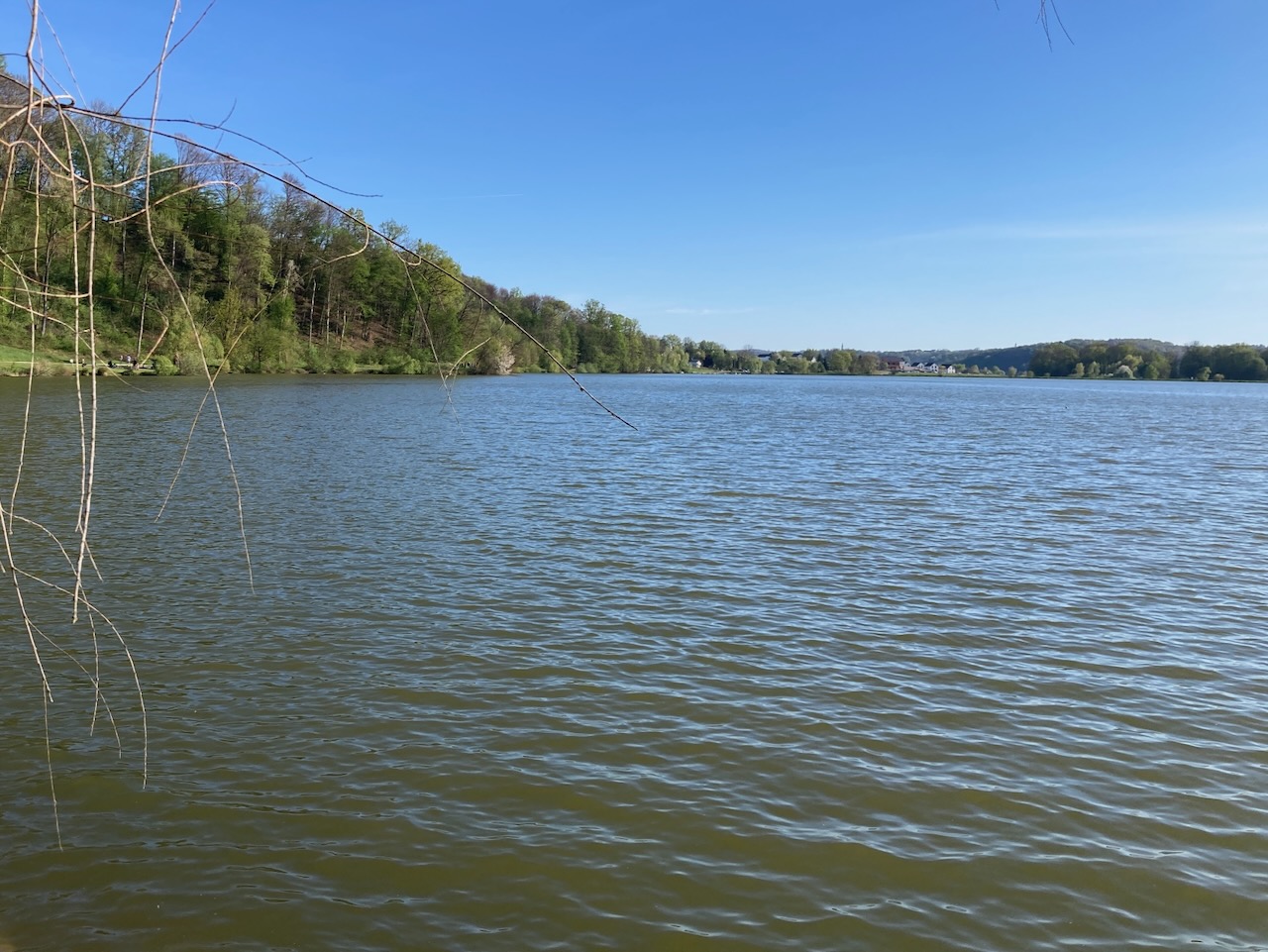
Po kosilu smo si zaželeli razgibavanja, zato smo se odpeljali do Trojiškega jezera. Presenečenje: ravno tisti dan so Trojičani prirejali otvoritev sezone! Parkirišče je bilo polno, pot okoli jezera živahna. Ob obali so se vrstili šotori z osvežilnimi pijačami, glasba pa je prestrašila celo ribe – ta dan zagotovo ni predstavljal začetka ribiške sezone! A našli smo skriti košček lastne obale, kjer je vladala tišina. Le šelestenje listja in naše misli. No, morda smo slišali preveč svojih misli – skoraj nevarno, kajne?
Slovenske gorice so nas spomnile, kako malo je treba za veliko sreče: grič, jezero in trenutek miru. Če iščete pobeg iz mesta, vzemite fotoaparat in se odpravite tja. Se vidimo ob Trojiškem jezeru!
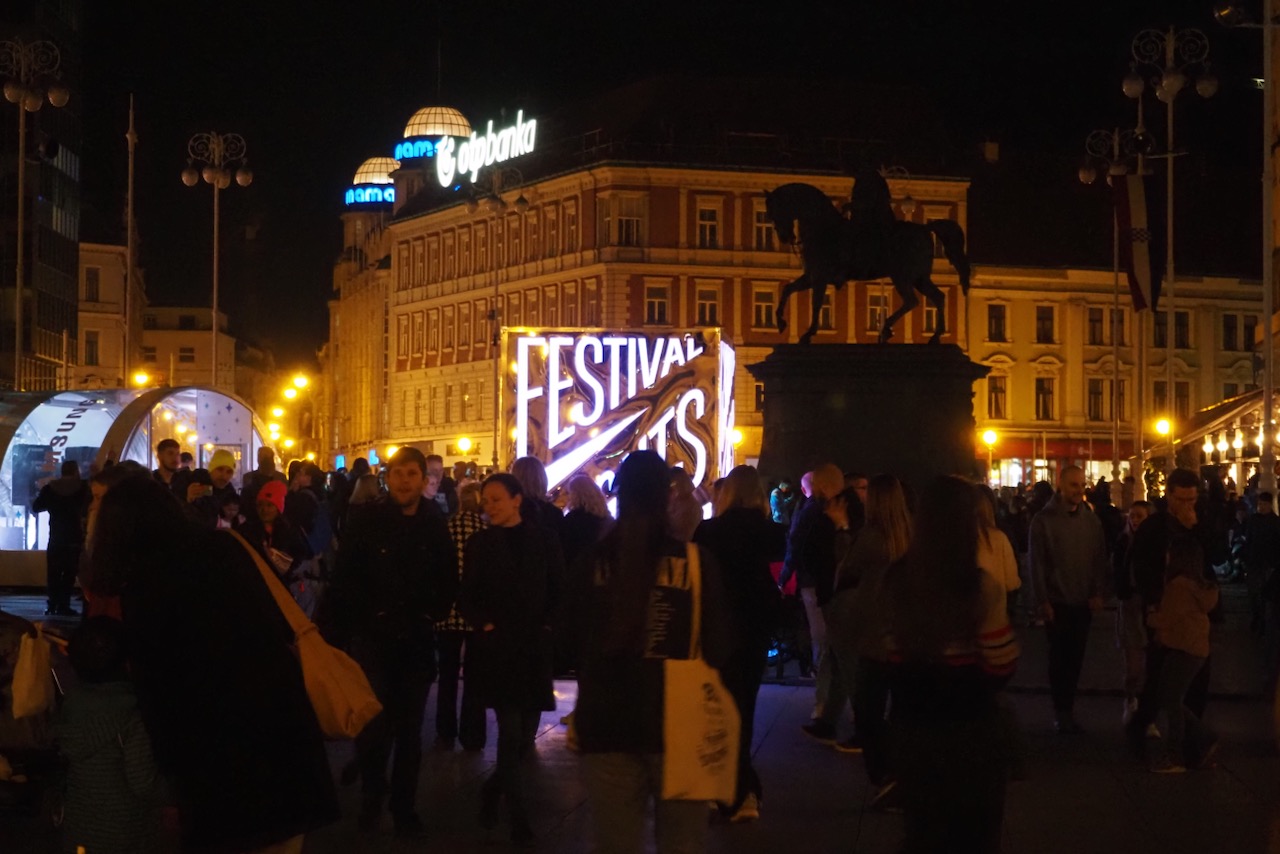
The capital of Croatia has once again shone brightly in the enchanting glow of the international festival of lights for the sixth consecutive time. The Spring Festival of Lights in Zagreb may not yet rival the popularity of Christmas markets or festivals along the Adriatic coast, but it still draws visitors with its unique magic. Visitors were offered an insight into the city’s cultural richness, the intertwining of tradition and modernity, and artistic creativity.
Although Zagreb, as the capital of Croatia, has only begun to gain more tourist recognition in recent years, the Spring Festival of Lights has already become one of the city’s most prominent events. The lights, which illuminated the city in all their dazzling beauty, were installed by international artists. They came together from various European countries to create this magical experience for visitors.
During this multi-day (-evenings) event, the streets and parks of Zagreb were aglow with light and color. A stroll through the city felt like a journey through a fairy tale land, where walkers encountered new surprises with every step. The light installations, placed along the streets, in squares, and in parks, were like magical portals to another world. Each of the festival’s venues was unique, inviting visitors of all ages to explore the light sculptures with curiosity and delight.
Visitors had the opportunity to merge with the light installations and become part of the artistic expression. Children, in particular, were thrilled by how light transformed into different shapes and colors, sparking their curiosity and creativity.
Regardless of the nature of the visitors (whether art enthusiasts, families, or simply curious travelers) the Spring Festival of Lights in Zagreb was an unforgettable experience. In the heart of the Croatian capital, it provided opportunities to create precious memories and inspiring moments. With its unique blend of culture, art, and light, the festival undoubtedly attracts audiences from both near and far. The city streets were packed deep into the evening. All this hustle and bustle over successive evenings represent an indispensable part of Zagreb’s spring event lineup.
Letos ni neke prave zime in smo začeli naša raziskovanja preteklosti še pred pomladjo. Pravzaprav smo “nori” na gradove. Na poti na poletne počitnice na Jadransko obalo se ponavadi še ponoči, ko je vse zaprto, peljemo mimo Krapine, čeprav nas muči radovednost. Pa smo sklenili, da tamkajšnjemu muzeju neandertalcev namenimo posebno pozornost.
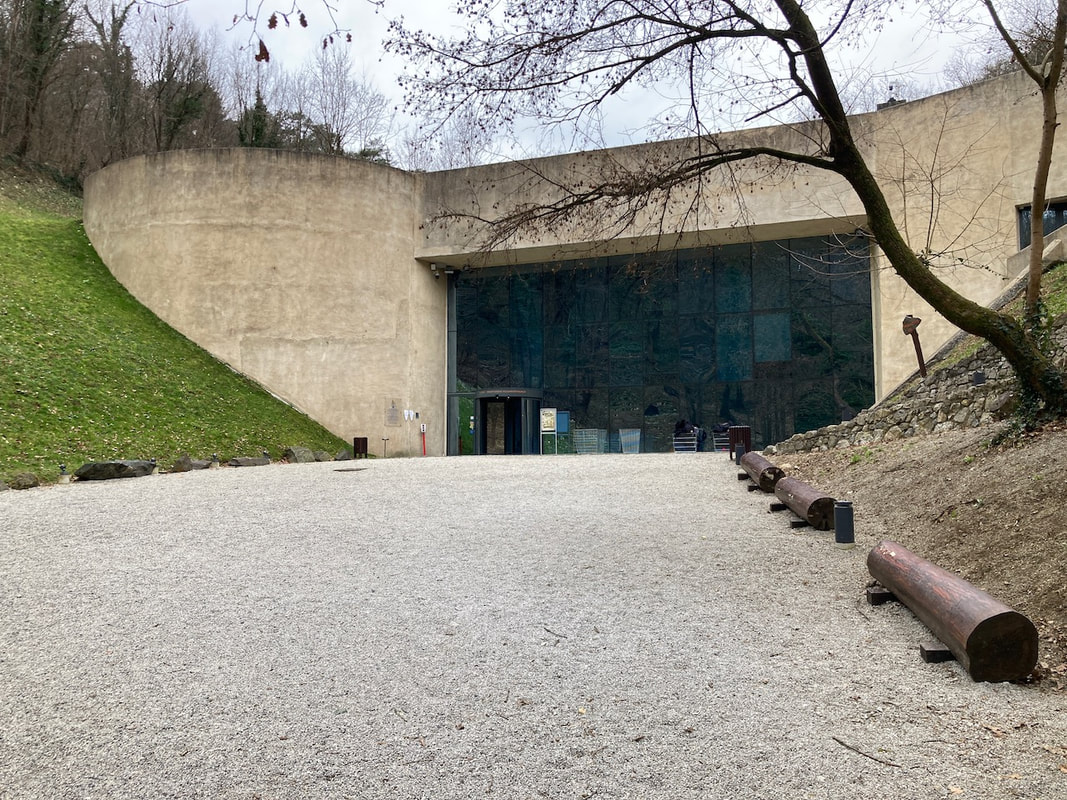
“Muzej krapinskih neandertalaca” v Krapini na Hrvaškem predstavlja edinstveno priložnost za obiskovalce, da se poglobijo v zgodovino. Nahaja se v slikovitem okolju, obdanim z zelenimi griči in bujno naravo. Ustanovljen je bil z namenom raziskovanja in ohranjanja dediščine neandertalcev, zgrajen pa je bil pred 15 leti (dokončan 2010). Nahaja se v neposredni bližini najdišča Krapina, kjer so bili odkriti ostanki neandertalcev.
Vsebina muzeja ponuja celovit vpogled v življenje neandertalcev skozi različne interaktivne razstave, replike orodij, fosilov in drugih artefaktov. Obiskovalci lahko raziskujejo njihovo bivališče, lovne tehnike in druge vidike njihovega vsakdanjega življenja. Muzej prav tako ponuja trgovino z darili, kjer obiskovalci lahko kupijo spominske predmete in knjige o neandertalcih.
Vstopnice za muzej smo kupili v družinskem paketu (dva odrasla, dva otroka), ki je skupaj z avdio vodičem za vsakega posebej znesel slabih 30 evrov.
Neandertalci in njihov pomen v zgodovini človeštva
Neandertalci so bili skupina humanoidov, ki so živeli pred približno 300.000 do 30.000 leti. Njihovo obdobje se uvršča v paleolitik in sicer v čas kamene dobe. Razširjeni so bili predvsem po Evropi, najdbe pa pričajo, da so bili prilagojeni na življenje v raznolikih okoljih – od arktičnih do toplih subtropskih območij.
Njihova povezava s sodobnim človekom, homo sapiensom, je še vedno predmet razprav in raziskav. Neandertalci in homo sapiensi so morda delili skupne prednike ali pa so se prečkali med migracijami, saj so nedavne genske študije pokazale, da so se nekatere populacije križale. To pomeni, da imajo nekateri sodobni ljudje drobec neandertalske DNK (to sem vedel tudi brez obiska muzeja 😉
Razstava: Potovanje skozi neandertalsko zgodovino
Obisk muzeja oziroma potovanje skozi čas se začne v vhodni avli s filmskim prikazom izseka iz življenja neandertalske družine. Film prikazuje njihove vsakdanje dejavnosti, od lova do izdelovanja orodij, ter ponuja vpogled v njihovo kulturo in običaje. Nadaljevanje ogleda po muzeju predstavlja raziskovanje krapinskega najdišča, pa tudi razumevanje zgodovine in kulture človeštva.
Pritličje in nadstropje povezuje spiralna rampa, po kateri smo se sprehodili skozi zgodovino zemlje. Obdobja od nastanka Zemlje dalje so zarisana v tleh in opisana po stenah, da bi dojeli, kako kratek čas smo tukaj tudi ljudje. Da pa se ne bi počutili močnejši od narave, so nas na tej poti ogrozila strašna bitja izpred desetin in stotin milinjonov let.
Proti koncu rampe v prvo nadstropje smo se srečali z raznoliko skupino humanoidov. Sledili so si po časovnem obstoju. Zanimivo, kako so bili s časom vse večji in vse bolj pokončni.
Nadstropje pa je namenjeno prav neandertalcem. Vsebino obvladuje prikaz neandertalskega tropa (družine?). Realistične figure prikazujejo, kakšna so bila starostim in funkciji posameznikov primerna opravila.
Na koncu razstave je še del, ki na podlagi novejših znanstvenih ugotovitev vključuje razmišljanja o izumiranju neandertalcev in njihovi dediščini v sodobnem svetu. Ob izhodu v prvem nadstropju se muzej zaključi s trgovino, polno literature z neandertalsko in drugo zgodovinsko tematiko, pa seveda za obiskovalce tako pomembnimi spominki.
Ker smo se uspeli prebiti skozi vso tematiko muzeja, smo si za nagrado privoščili še sprehod do samega najdišča iz leta 1899. Žal je bil teren nestabilen, peščene jame ni več oziroma jo je zasulo. Pred stotinami ton skalovja in peska pa je odlitek, ki ponazarja, čemu smo bili na današnjem ogledu priča.
Sam se ga ne udeležim vedno, ampak Dan arhitektov je redni, vsakoletni dogodek v organizaciji naše ZAPS – Zbornice za arhitekturo in prostor Slovenije. Kar nekako navadil sem se na ritem dopoldanskih / popoldanskih predavanj ter slavnostnega zaključka s podelitvijo priznanj in družabnim večerom. In kadar je bilo to v gradu Fužine v Ljubljani, je bil tudi ambient ravno pravšnji (povezave do nekaj spominskih utrinkov na koncu tega zapisa).
Tokrat (v letu 2023) pa se je vse odvijalo v Novi Gorici. Mesto je bilo izbrano v navezavi na Ravnikarjevo leto. Hm, od Maribora je dogodek oddaljen poltretjo uro, ampak v Novi Gorici nisem bil že trideset let, le kaj imajo za pokazati? In sem se odločil…
Zbrali smo se v centru mesta ob maketi središča, menda prvotno oblikovani še pred samim urbanističnim načrtom. Jaz bi jo verjetno pripravil iz stiropora, današnja generacija arhitektov virtualno, kako pa v letu 1947 Edo Ravnikar s sodelavci, sem pozabil vprašati. Glede na takratnega ministra za gradnjo je bila gotovo rdeča.
Prijavljen sem bil za dopoldanski voden ogled mesta. Naši vodiči so nam malo orisali tiste čase, ki so bili polni pričakovanj, poskušali pojasniti realne rezultate (recimo temu modificirane), potem pa nas pospremili v samo srce mesta – na Trg Edvarda Kardelja.
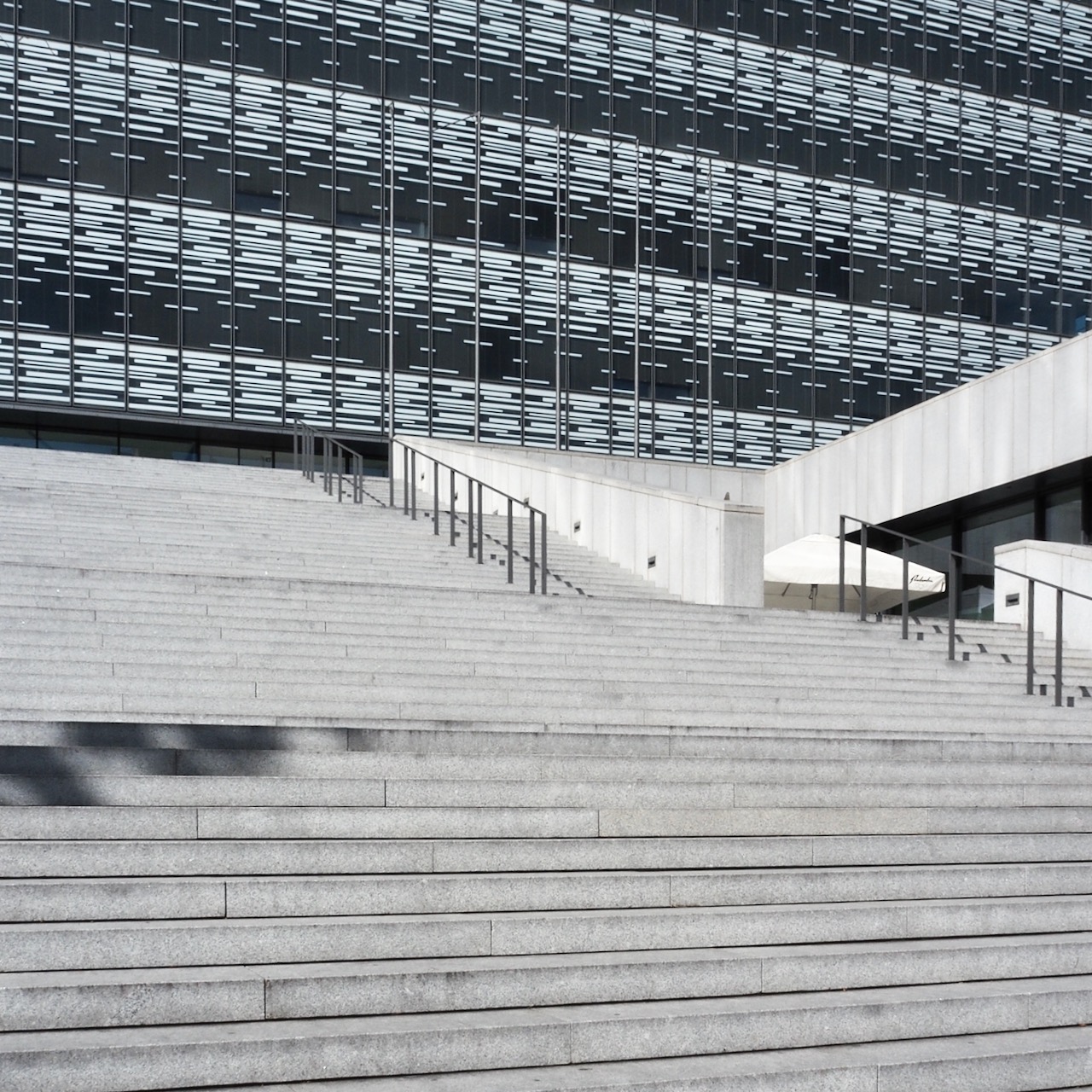
Čeprav tega obkroža nekaj pomembnejših objektov, kot so upravna stavba Mestne občine Nova Gorica, Slovensko narodno gledališče Nova Gorica ter poslovne in bančne stavbe, pa travnik ne deluje kot mestni park. Naša “čreda” se sploh ni vprašala, če ga je dovoljeno pohoditi. Verjetno nismo bili prvi, ki smo ga obremenili, saj nas ni nihče podil z njega.
V globoki senci Kidričeve ulice, ki bi jo po načrtih morali ponujati javorji, pa je tam več vseh drugih dreves, smo se sprehodili do “Ruskih blokov”, za katere se mi zdi “Ravnikarjevi bloki” primernejše poimenovanje. Izgledajo namreč boljše kot le “socialistično”.
Po vzporedni Delpinovi ulici smo se vrnili na Bevkov trg v strogem centru mesta. V maketi mestnega jedra še ni bilo tolikšnih višinskih poudarkov, kot jih ima mesto sedaj. Za pešce je na Delpinovi dobro poskrbljeno, saj jih je več kot na magistralni potezi skozi mesto. Poleg obilice lokalov imata tudi merilo arhitekture in gostota prometa gotovo s tem kaj za opraviti.
Z Bevkovega trga je sledil kratek skok do naselja Pristava, kjer občina obnavlja Rafutski park. Na vrhu griča Rafut kraljuje frančiškanski samostan Kostanjevica, nas pa so pospremili do Vile Laščak na južnem bregu. Posest združuje dva vrta, vila pa je zaradi samega lastnika, arhitekta Antona Laščaka, zavita v tančico skrivnosti. Laščak je uspel v tujini (kako slovensko!), pred prvo svetovno vojno pa je tu kupil botanični vrt in si zgradil hišo. Vrt je že precej obnovljen, medtem ko sama stavba še čaka finančno boljše čase.
Ja, eden od “vrhuncev dneva” nas je pričakal nasproti stare železniške postaje. Trg Evrope, ki je Italijanom premalo pomemben, da bi Ploščad Transalpino tako preimenovali, je bil naša naslednja točka. Predstavlja eno od prizorišč Nove Gorice v prihajajočem letu 2025, ko bo Nova Gorica Evropska prestolnica kulture.
Dopoldan smo zaključili v centru s kosilom, potem pa se preselili v prostore Mestne občine Nova Gorica, kjer je bil načrtovan uradni program.
Popoldanski program je bil namenjen simpoziju “Enigma Ravnikar – vprašanje prihodnosti arhitekture”. Vsake toliko časa mi pridejo takšne teme čisto prav, da malo izstopim iz banalno realističnega odnosa stranka – arhitekt oziroma stranka – načrtovalec.
Simpoziju so dali vsebino arhitekta Aleš Vodopivec in Miloš Kosec, oblikovalka Barbara Predan in arhitektka Majda Kregar. Priznam, zgodovinski oris življenja, dela in hotenj profesorja Eda Ravnikarja, katerega nekaj predavanj je na ljubljanski šoli za arhitekturo uspela kot ena zadnjih obiskati celo moja generacija, je bil precej zanimiv, saj je bil podan tudi iz ust njegovih učencev in sodelavcev.
Sledila je okrogla miza, ki ni bila to, kar smo pričakovali. Štiri vprašanja in štirje odgovori, pa nič sodelovanja javnosti. Z okrogle mize pa sem vendarle odnesel misel, da je bolje planirati proces za novo kot načrtovati vojno za staro.
In potem naj bi bilo dogajanje vse bolj zanimivo. Večerni program se je začel s filmom Sprava in sinteza, ki ga je ustvaril Alexei Monroe. Izdelek avdiovizualnega umetnika s psevdonimom Sz. Berlin mi bo ostal v spominu, čeprav ga nisem razumel.
Po glasbenem vložku zbora slovenskih arhitektov Arhivox se je nadaljevalo s podelitvijo nagrad. Zlati svinčnik za odlično izvedbo so dobili
DANS ARHITEKTI Vlatka Ljubanović, Maja Cvelbar, Miha Dešman, Eva Fišer Berlot, Katarina Pirkmajer Dešman za Prenovo dveh vrstnih hiš
ENOTA Dean Lah, Milan Tomac, Jurij Ličen, Nuša Završnik Šilec, Polona Ruparčič, Sara Ambruš, Eva Tomac, Eva Javornik, Urška Malič, Rasmus Skov, Sara Mežik, Jakob Kajzer, Peter Sovinc, Carlos Cuenca Solana in Goran Djokić za Bazenski kompleks Češča vas
SVET VMES Jure Hrovat, Ana Kreč in Katja Paternoster ter KOLEKTIV TEKTONIKA Darja Matjašec, Nejc Florjanc in Katja Mali za Vrtec Kočevje, enota Čebelica
JEREB IN BUDJA ARHITEKTI, PONTING, PIPENBAHER INŽENIRJI Blaž Budja, Rok Jereb, Marjan Pipenbaher, Tomaž Weingerl ter dr. Dušan Stupar za Most za pešce in kolesarje v Irči vasi
Zlati svinčnik za področje prostorskega načrtovanja je prejela
mag. Jelka Hudoklin s sodelavci: Igor Črnugelj, mag. Radovan Nikić, mag. Zoran Gajski, Jernej Radovac, mag. Irena Hočevar, Tanja Jerin, Izidor Jerala za Ureditev romskega naselja Brezje-Žabjak
Patinasti svinčnik so si prislužili
Aleš Vodopivec in Nena Gabrovec ter Dušan Ogrin in Davorin Gazvoda za Pokopališče Srebrniče
Težko bo pozabiti na točko predstavitve novih ZAPS-ovcev. Vsi so še nasmejani, saj se sploh ne zavedajo, v kaj so zagrizli 😉
Dan arhitektov vedno pritegne več obiskovalcev zvečer kot popoldne. Zakaj bi bilo tokrat drugače? Pričakoval sem sicer, da nam bodo za večerne pogovore ponudili simpatičen atrij, pa so nas namestili kar v avlo. Verjetno zato, da je ob prihodu teme atrij lahko nudil prostor intimnim pogovorom o urejanju prostora, avla pa širšim debatam o politiki prostora.
Kot še nekaj članov ZAPS sem izkoristil brezplačen avtobusni prevoz, ki nam ga je organizirala zbornica. Mislim, da je bila rešitev modra, saj sem se že na poti lažje povezal s starimi in novimi kolegi. Edini minus je predstavljal odhod iz Nove Gorice, kjer se je po zaključku Dneva arhitektov v občinski stavbi začelo dogajanje zunaj, mi pa smo imeli avtobusni odhod že ob 23. uri 🙁
Aha, dogovorjeni prevoz je bil kriv, da nismo zdržali do zjutraj?
Slovenia is a small enchanting country that has long been ranked among popular tourist destinations. It also plays a significant role in the international sustainability community; its destinations and providers are strongly involved in the Green Scheme of Slovenian Tourism, and consequently, in Green Destinations as well. It captivates visitors with its natural beauty, rich cultural heritage, and exceptional hospitality. In the Slovenian economy, tourism plays a crucial role, contributing to job creation, revenue growth, and the promotion of everything this picturesque land offers. Diverse forms of tourism, such as cultural, natural, adventure, and culinary tourism, allow visitors to delve into various facets of Slovenia.
In this blog post, I’m introducing one of the hidden gems of Slovenian tourism – tourist farms. While not as prominent as bustling cities or the most renowned attractions, these farms possess a unique charm. A visit to a tourist farm embodies both a modern trend and an immersion into rich tradition.
Despite more than half of Slovenians residing in urban areas, Slovenia presents itself as an open landscape (at least at first glance). Slovenian agriculture holds greater emotional than economic significance, as the intertwining of tradition, culture, and nature remains prevalent in rural life. Unfortunately, in recent decades, agriculture has encountered numerous challenges, hence the necessity to seek new means of survival and maintain its role in the modern world. Enter tourist farms – a role ideally suited. This innovative concept merges traditional agricultural activities with tourism.
Tourist farms represent a fusion of rural life and unique experiences for visitors. In doing so, they not only revitalize the economy of local communities but also preserve heritage and tradition while promoting sustainable development. On these farms, guests can immerse themselves in the daily life of a farmer, learn about food production processes, and relish authentic flavors of homemade dishes crafted from fresh ingredients grown on the very farm.
Tourist farms are a form of rural tourism that operates under specific conditions. Four types of farm tourism are distinguished: Tourist Farm with Accommodation offers guests the opportunity to stay on the farm with provisions for meals or apartment rentals. Excursion Tourist Farm provides guests with hot and cold meals and beverages. Wine Cellar (Vinotoč) offers cold snacks, wine, and non-alcoholic beverages. “Osmica” (Temporary Wine Tavern) offers wine, non-alcoholic beverages, three locally characteristic hot dishes, cold snacks, bread, and pastries. Camping Space as the name suggests, it provides guests with camping facilities on the farm. These diverse offerings on tourist farms cater to various preferences, making them an integral part of the Slovenian rural tourism experience.
To visit Slovenian tourist farms, it’s necessary to make arrangements in advance. Excursion tourist farms and wine cellars are generally open only on Fridays, Saturdays, Sundays and holidays. “Osmice” also follow the tradition dating back to the time of Maria Theresa’s monarchy and can be open twice a year for up to ten days.
In the next part of this blog, we will delve into one of these charming excursion farms, which serves as a perfect example of how tradition intertwines with innovation in the welcoming embrace of the Slovenian countryside. Get ready to uncover the secrets offered by this unique farm and to get to know the people and stories behind it. So, let’s finally set off to our destination for today!
Koren Farm by Korošec is located along the Maribor Wine Road on Kozjak, in the immediate vicinity of the idyllic village of Gaj nad Mariborom. It’s tucked away from the urban hustle and bustle, nestled in the embrace of nature.
We’ve been visiting this excursion farm for years. They offer both hot and cold dishes along with beverages. On weekends, they serve home-cooked lunches, and during winter, they prepare traditional pig slaughter dishes.
This Sunday, on a wonderfully cloudless summer afternoon, with the temperature soaring above 35º C, we were convinced to find a table under the shade of the walnut tree. As usual, my wife and I craved a local platter and a glass of sweet Muscat wine, brought by the host from their 140-year-old wine cellar. The kids, with their sweet tooth, also opted for a cheese-filled gibanica pastry (though sometimes they prefer apple pie).
Heartwarming hospitality comes naturally to all three generations that consider the Koren Farm their home. Their affection for the well-maintained estate and their welcoming attitude toward visitors deserves admiration. Perhaps their involvement in one of the tourism programs will bring them even greater recognition. In truth, I’d rather see “our farm” remain our secret, but that hasn’t been the case for a long time.
The younger members of our family were eager to get better acquainted with the domestic animals, but these had their tasks and paid them no mind.
At the farm we felt so at home that we’ve already arranged for a visit this autumn, when they’ll treat us to roasted chestnuts and new wine. This time as well, we didn’t rise from the table until there was nothing left to indulge in. Some even managed to sneak in a nap in between bites 😉
After all the goodness, it was a bit difficult to set out for a walk. The road to Tojzlov Vrh passes by the farm, so we decided to make it as our own. I console myself with the thought that we admired nature, lamented the aftermath of a natural disaster, and even got in some exercise along the way, since we didn’t quite make it to the top 😉
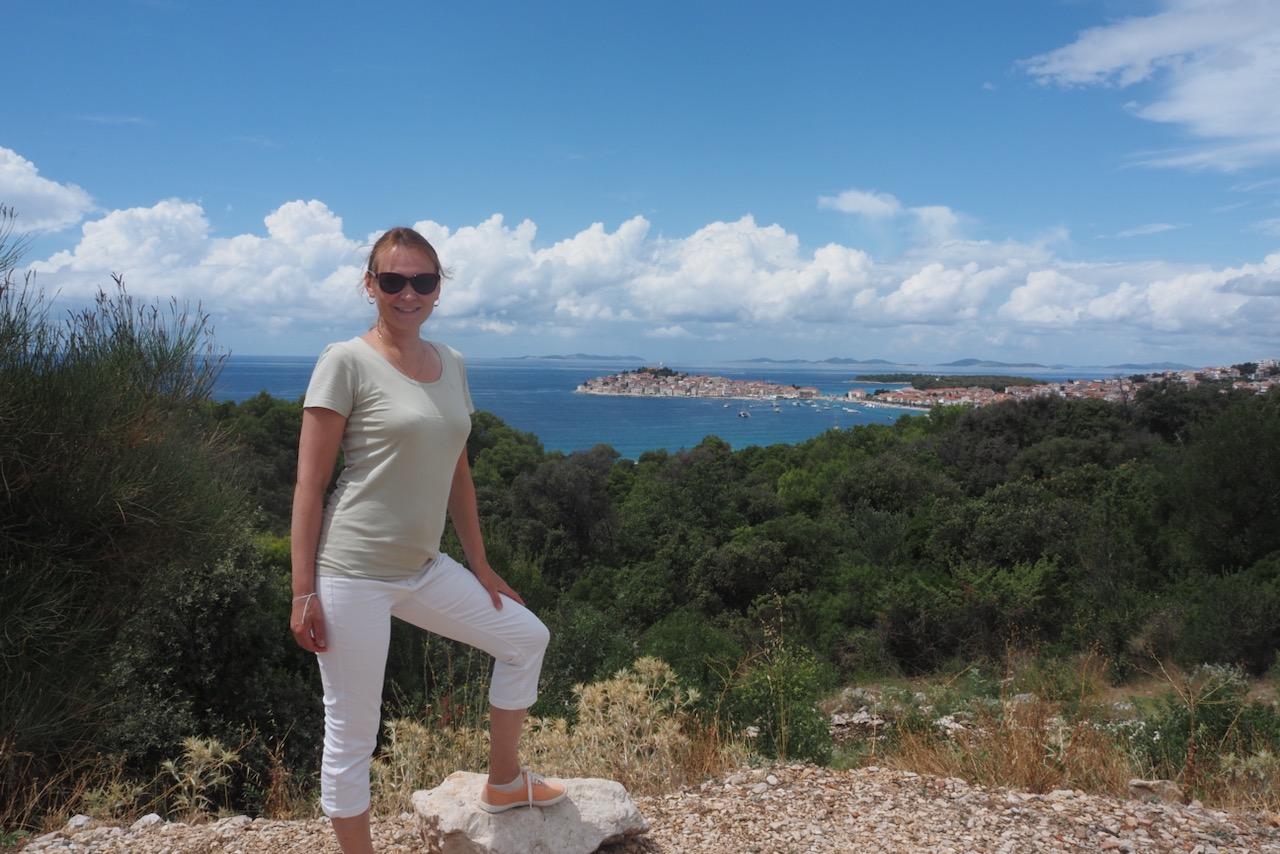
Primošten, a picturesque Dalmatian town, captivates visitors with its medieval atmosphere. Charming stone houses, narrow streets, and stunning sea views create a romantic backdrop for a relaxing vacation.
The idyllic Primošten, a beautiful fishing settlement, enchants with its rich historical heritage and authentic Mediterranean charm. Situated on a peninsula along the Adriatic Sea, this stunning town is a true gem. Its stone houses in narrow alleys preserve its unique identity, bearing witness to the medieval history of Dalmatia and creating a distinctive atmosphere for visitors seeking to enjoy the magical Adriatic environment.
Primošten’s history dates back to ancient times when Greek and Roman inhabitants settled here. In the Middle Ages, Primošten developed as a defensive settlement built on a hill. Its strategic position provided an excellent vantage point over the sea and the surroundings. Walls and towers played a crucial role in protecting Primošten from attacks and piracy.
The centerpiece of Primošten is the stone church of St. George, its predecessor having been built atop the hill in the 15th century. The church is surrounded by a park and a cemetery that cover the entire tip of the peninsula. From here, a breathtaking view of the coastline and islands unfolds. Well, this actually seems like a pleasant place for eternal rest, doesn’t it?
In addition to its historical sacred landmarks, Primošten offers charming secular architecture, stone houses, narrow streets, and picturesque squares. The town is a true historical gem of the Mediterranean coast, defying time and preserving its authentic appearance. It’s a place where even modern visitors can stroll down cobblestone streets, discover hidden corners, and immerse themselves in a past that seamlessly blends with the present in a unique way.
Primošten and its surroundings have a diverse economic structure based on local resources and needs. Overall, the economic landscape of Primošten is a successful blend of natural resources and the area’s cultural heritage. Tourism is a central economic activity in Primošten and its vicinity. Beautiful beaches, picturesque surroundings, historical landmarks, and the preserved Mediterranean atmosphere attract visitors. Hospitality establishments, accommodations, tourist agencies, and other services are pivotal to the local economy. Fishing, supported by its coastal location, plays an important role in the area’s economy. The Primošten region is also known for producing wines, olives, and other agricultural products. Locally produced olive oils, wines, and other goods are significant sources for both local consumption and sales. Shops, gastronomy, and other services (crafting and selling ceramics, textiles, jewelry, and other traditional crafts) cater to the needs of both residents and tourists.
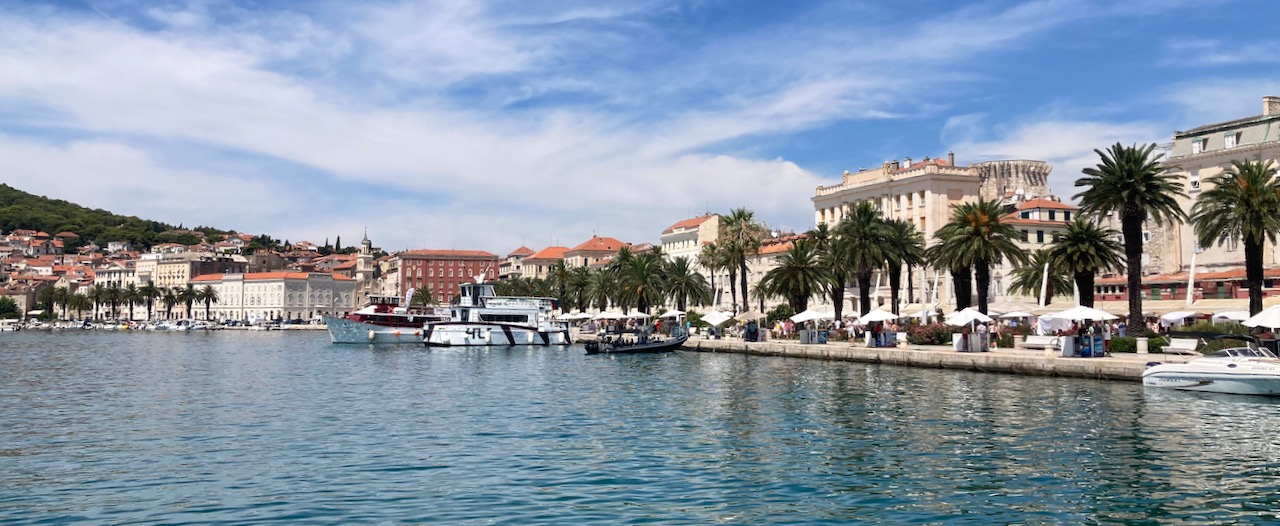
The capital of Dalmatia, the largest Dalmatian and the second largest Croatian city, is Split. It boasts an exceptional historical heritage that combines ancient architecture with modern life, presenting a unique chapter in the history of Dalmatia. The city is primarily known for its spectacular Diocletian’s Palace. This ancient complex is the central part of the city, built by Diocletian for his retirement. Today, within its walls, you’ll find vibrant markets, restaurants, and galleries intertwined with remnants of ancient times.
The main gem of Split is undoubtedly Diocletian’s Palace, construction of which began in 295 AD for the Roman Emperor Diocletian as his residence. The palace stands today as a magnificent example of Roman architecture, blending elements of ancient style with medieval additions. It covers an area of over 3 hectares, and within its walls, you’ll find a lively city with narrow streets, squares, restaurants, and shops. The palace includes temples, arched passageways, statues, and various buildings, including Diocletian’s Cathedral of St. Domnius (on the site of the former emperor’s mausoleum).
Split’s history continues through the Middle Ages, when the palace started to be inhabited by residents seeking refuge from barbarian invasions. This marked the beginning of the formation of the city of Split, whose development continued over the centuries. In addition to Diocletian’s Palace, Split also features numerous other historical buildings, such as medieval churches, palaces, and walls. The city is imbued with memories of different eras that have shaped its development.
However, Split is not just a historical city; it’s a lively city that breathes with its inhabitants. For tourists, the old stone alleyways filled with vibrant markets, eateries, and shops are particularly appealing. For architects and urban planners of today, the most valuable site is the “urban monument” Split 3, designed half a century ago by my graduate mentor, the late Professor Vladimir Braco Mušič, and his architectural colleagues. This blend of history and modernity gives Split a unique energy, making it an attractive destination for visitors and history enthusiasts.
In Split, you can’t avoid the term “hajduk.” Historically, Hajduks were rebellious fighters who played a significant role in the history of the Balkan Peninsula and southeastern Europe in the past centuries. Their role evolved based on the time period and political circumstances, ranging from national liberators to outlaws and fighters for social equality (similar to Robin Hood). The most famous hajduk today is undoubtedly the Hajduk Split football club. One of the most successful football clubs in this part of Europe, it is reportedly structured as a fan-owned corporation.
Split and its surroundings constitute the economic center of the region with a wide range of activities. Situated on the eastern side of the Adriatic Sea, Split is one of the most important tourist destinations in Croatia, attracting visitors with its historical heritage, Diocletian’s Palace, and vibrant city life. Tourism is a key economic factor, contributing to hospitality services, commerce, and other tourism-related activities.
In terms of transportation, Split is well-connected to the world, lying along the main Croatian highway and the former Adriatic Highway. The international airport is hard to miss, especially during the tourist season due to heavy traffic. The city also has a significant port for both passenger and cargo traffic. Passenger ships, ferries, and cruises bring tourists, and the port serves as a vital hub for trade and connections with nearby islands and Italian coast.
The University of Split and other educational institutions contribute to the city’s economic development. Culture, art, and sports events also add to the modern life of the city. Together, these activities form a mosaic that allows Split and its surroundings to maintain a dynamic economic environment, appealing to both the population and visitors.
The city of Trogir, a stone maritime gem, is a picturesque town located on a small islet in the Adriatic Sea along the Croatian coastline.. It is protected as a UNESCO monument, as it has preserved its medieval charm throughout the centuries. It offers a picturesque combination of medieval streets winding through old buildings and the harbor. An admirable cathedral and numerous palaces testify to the rich history of this town.
Trogir’s rich historical heritage dates back to ancient times, founded by Greek settlers and later inhabited by Romans. The key historical period is the Middle Ages when the town reached its peak. Trogir was important in trade and maritime activities and was under the influence of the Venetian Republic. This period left the greatest imprint on Trogir, with numerous buildings, palaces, churches, and towers characteristic of medieval architecture. With its narrow cobblestone streets, medieval palaces, and impressive cathedral, the town is a true lesson in architecture and history.
The center of the town is represented by the Trogir Cathedral of St. Lawrence, a true jewel of Romanesque architecture. The cathedral houses magnificent artistic treasures depicting scenes from Christian mythology. Also of exceptional importance on the western side of the town is the Kamerlengo Tower, which once served as a defensive tower and now offers a splendid view of the city walls and surroundings. While strolling through the town, you discover a multitude of medieval palaces and towers that testify to its rich past. Narrow cobbled streets weaving between stone houses and ancient palaces evoke a feeling of stepping into the past. The town is literally a living museum of history, where every corner unveils a new perspective on the past.
Trogir remains a unique window into the past, unobscured by modern life. It is a place where visitors can deeply inhale the spirit of history and admire the architectural masterpiece of the medieval era.
Trogir and its surroundings form an economically diverse area where various activities intertwine to contribute to the local economy: Foremost, tourism takes the lead, as Trogir is one of the better-known tourist destinations on the eastern Adriatic coast. Its rich historical heritage with picturesque streets and a beautiful coastline attract visitors. Those staying in hotels, apartments, and private accommodations make the most significant contribution to the local economy.
Due to its coastal location, agriculture and fishing play important roles in the economy. The catch of various fish species provides fresh seafood, primarily for local consumption by residents and guests. Agriculture in the vicinity of Trogir relies on olives, grapes, citrus fruits, and vegetables. Olive oil and wine are well-known local products, also offered as souvenirs.
What are the people of Trogir also living from? An essential part of the economic activity and support for what’s been mentioned before are shops, markets, artisanal businesses, and restaurants. Local artisans and entrepreneurs engage in producing traditional goods such as handmade crafts, ceramics, textile products, thereby creating jobs and offering products and services that cater to the needs of both locals and visitors.
We used to be criticized for showing insufficient patriotism because we sometimes don’t spend our summer vacation in the homeland. The Croatian coastline of the Adriatic Sea is almost six thousand kilometers long, while the Slovenian coastline is more than a hundred times shorter. Clearly, we have more opportunities on Croatian coast to find our idyllic cove or at least a spot to spread our towel.
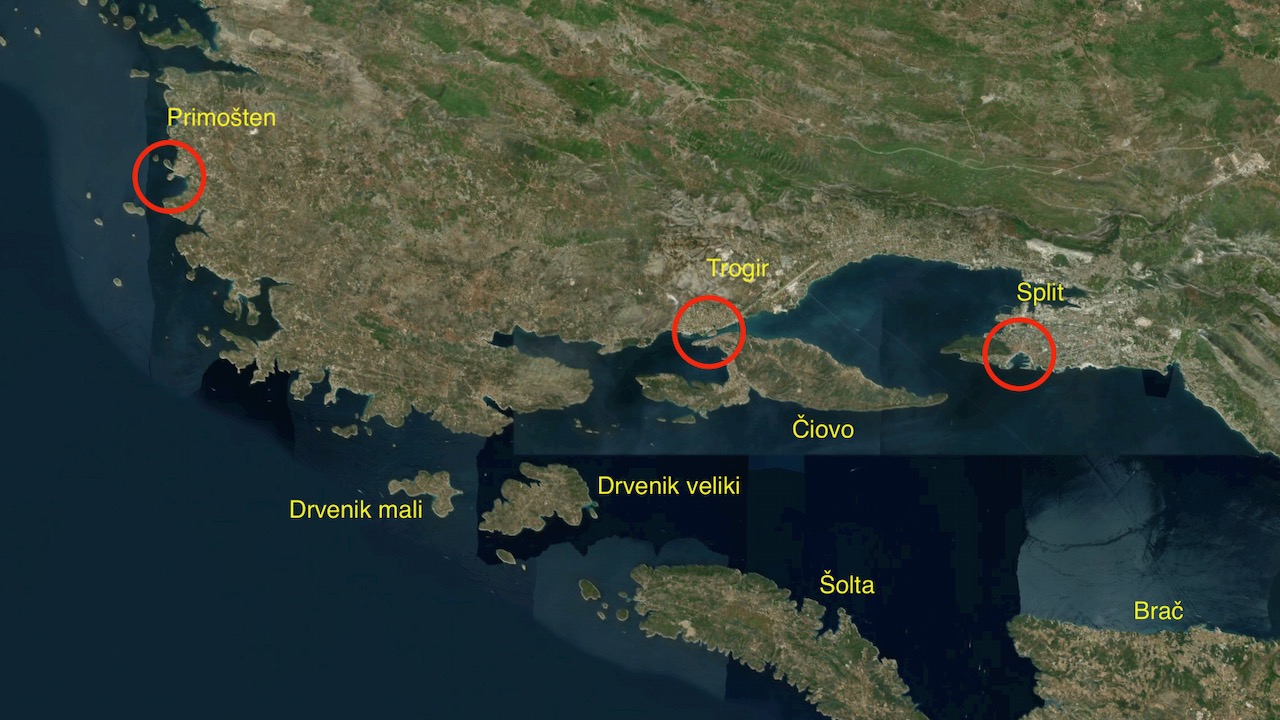
Our indulgence is to blame for choosing a destination this time that, in addition to the azure sea and an abundance of beaches, also offers a few magical historical towns – Central Dalmatia. We chose Trogir as our starting point, and from there, we set off by car or boat to explore the surroundings. In this article, I will also focus on the stunning Split and the charming Primošten, both one hour drive from Trogir.
All three towns, although different in size and economic significance, are united by one common activity – tourism. These are internationally renowned tourist destinations that, due to their popularity during the season, are almost bursting at the seams. However, this is entirely understandable – rich historical heritage, charming ancient and medieval city centers, and picturesque coastline are the main reasons for their attractiveness that we cannot overlook.
Primošten, slikovito dalmatinsko mesto, pritegne obiskovalca s svojim srednjeveškim vzdušjem. Očarljive kamnite hiše, ozke ulice in prelep razgled na morje ustvarjajo romantično kuliso za sproščene počitnice.
Idilični Primošten, čudovito ribiško naselje, očara s svojo bogato zgodovinsko dediščino in pristnim sredozemskim čarom. To osupljivo mesto, ki leži na polotoku ob Jadranskem morju, je prava dragocenost. S svojimi kamnitimi hišami v ozkih ulicah ohranja svojo edinstveno identiteto, priča o preteklosti srednjeveške Dalmacije in ustvarja edinstveno vzdušje za obiskovalce, ki želijo uživati v čarobnem okolju Jadrana.
Zgodovina Primoštena sega še v antične čase, ko so se tu naseljevali grški in rimski prebivalci. V srednjem veku se je Primošten razvil kot obrambno naselje, zgrajeno na griču. Položaj je nudil odličen pregled nad morjem in okolico. Obzidje in stolpi so igrali pomembno vlogo pri zaščiti Primoštena pred napadi in piratstvom.
Središče Primoštena je kamnita cerkev sv. Jurija, katere predhodnica je bila zgrajena na vrhu griča v 15. stoletju. Cerkev je obkrožena s parkom in pokopališčem, ki pokrivata celoten vrh polotoka. Od tod se odpira osupljiv razgled na obalo in otoke. Hm, tole je pravzaprav prijeten kraj za večni počitek, kajne?
Poleg sakralnih zgodovinskih znamenitosti Primošten ponuja tudi očarljivo profano arhitekturo, kamnite hiše, ozke ulice in slikovite trge. Mesto je pravi zgodovinski biser sredozemske obale, ki je kljubovalo času in ohranilo svoj pristen videz. To je mesto, kjer lahko tudi sodobni obiskovalci korakajo po kamnitih ulicah, odkrivajo skrite kotičke in se potopijo v preteklost, ki se z vsakim kamnom prepleta s sodobnostjo na edinstven način.
Primošten in njegova okolica imata raznoliko gospodarsko strukturo, ki temelji na lokalnih virih in potrebah. V celoti gledano je gospodarska slika Primoštena uspešna mešanica naravnih virov in kulturne dediščine območja. Turizem je ena izmed osrednjih gospodarskih dejavnosti v Primoštenu in okolici. Prekrasne plaže, slikovito okolje, zgodovinske znamenitosti in ohranjeno sredozemsko vzdušje privabljajo obiskovalce. Gostinski objekti, namestitve, turistične agencije in druge storitve so ključni za lokalno gospodarstvo. Slednjega podpira ribolov, ki ima zaradi svoje obalne lokacije pomembno vlogo v gospodarstvu destinacije. Okolica Primoštena se ponaša tudi s pridelavo vin, oljk in drugih kmetijskih pridelkov, ki so pomembni tako za lokalno porabo kot tudi za prodajo.